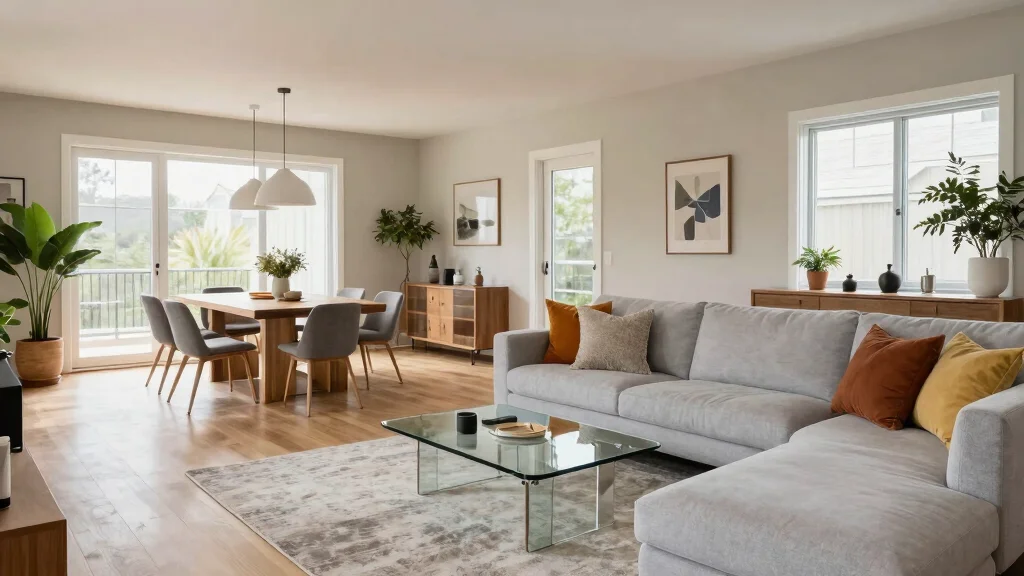
When it comes to designing your home, the living room and dining area often take center stage. Open layouts can feel spacious yet daunting, especially when trying to create a cohesive look. I’ve been on a quest to find beautiful, functional living with dining room ideas to make these spaces come alive. It’s all about capturing that perfect balance between style and comfort while keeping things practical and inviting.
If you’re someone who loves to blend modern aesthetics with spacious designs, this post is tailored just for you. Whether you’re a new homeowner, a seasoned decorator, or simply someone looking to refresh your home, these ideas will resonate. You want your space to be a sanctuary for relaxation and a hub for gatherings, and I’ve compiled 14 inspiring ideas that are chic, minimalist, and above all, functional for your open concept living.
By the end of this guide, you will find actionable tips that can transform your space into an inviting haven. From embracing natural light to stylish storage solutions, each idea aims to enhance your home while catering to your lifestyle. Let’s dive into these creative concepts that elevate your living and dining experiences.
Key Takeaways
– Embrace natural light by using large windows or glass doors to connect your spaces and create an airy feel.
– Opt for multi-functional furniture to maximize your space. Pieces like convertible sofas or extendable dining tables can adapt to your needs.
– Choose a cohesive color palette to unify the living and dining areas, making the space feel larger and more harmonious.
– Define areas with rugs; this can visually separate your living room from the dining area while adding texture and warmth.
– Incorporate stylish storage solutions that blend form and function, helping you keep the space organized without sacrificing style.
1. Embrace Natural Light
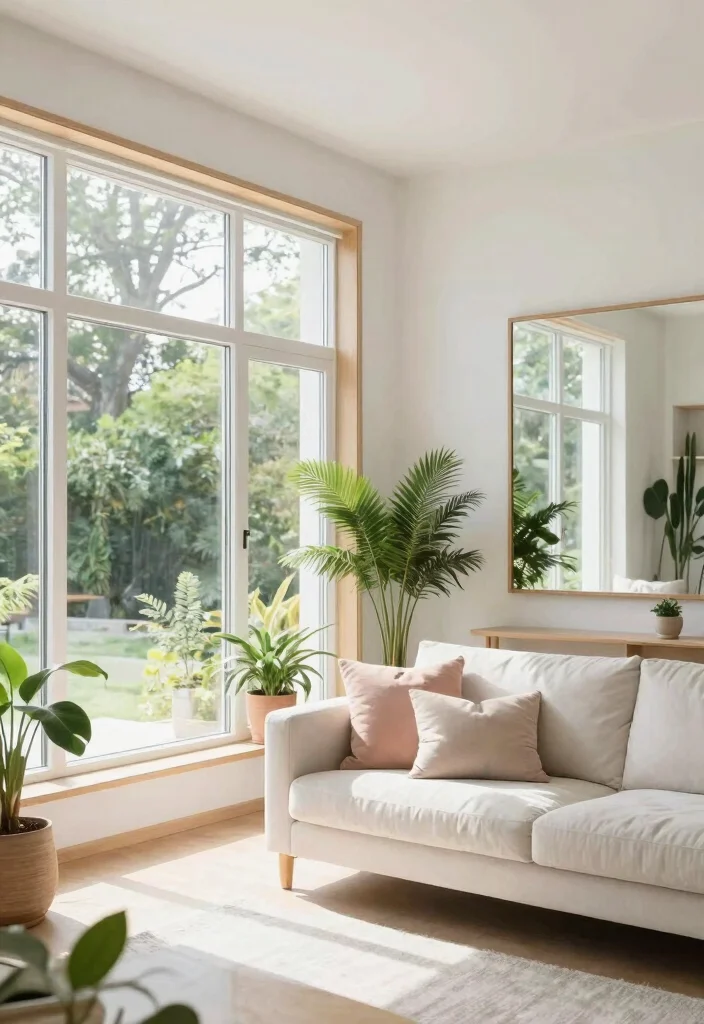
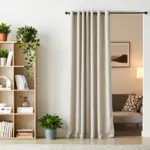
Harnessing natural light is essential for creating a vibrant atmosphere in your open-concept space. Large windows and glass doors not only flood the area with brightness but also contribute to a sense of spaciousness and warmth. Consider adding sheer curtains that filter sunlight gently, providing both illumination and privacy, while mirrors can be strategically placed to amplify the light and visually expand the area.
To truly make the most of this principle, think about using light colors for walls and furnishings to reflect brightness. Budget-friendly options include using reflective decor or incorporating houseplants for an infusion of life and freshness.
Consider these ideas to enhance natural light in your home:
– Pair sheer curtains with large windows for soft illumination.
– Install mirrors across from light sources to enhance brightness.
– Use light-colored furniture to reflect and amplify light.
By fully embracing natural light, you not only brighten your space but also enrich the overall ambiance, making it feel more inviting and alive.
Embrace Natural Light
Editor’s Choice




2. Multi-Functional Furniture
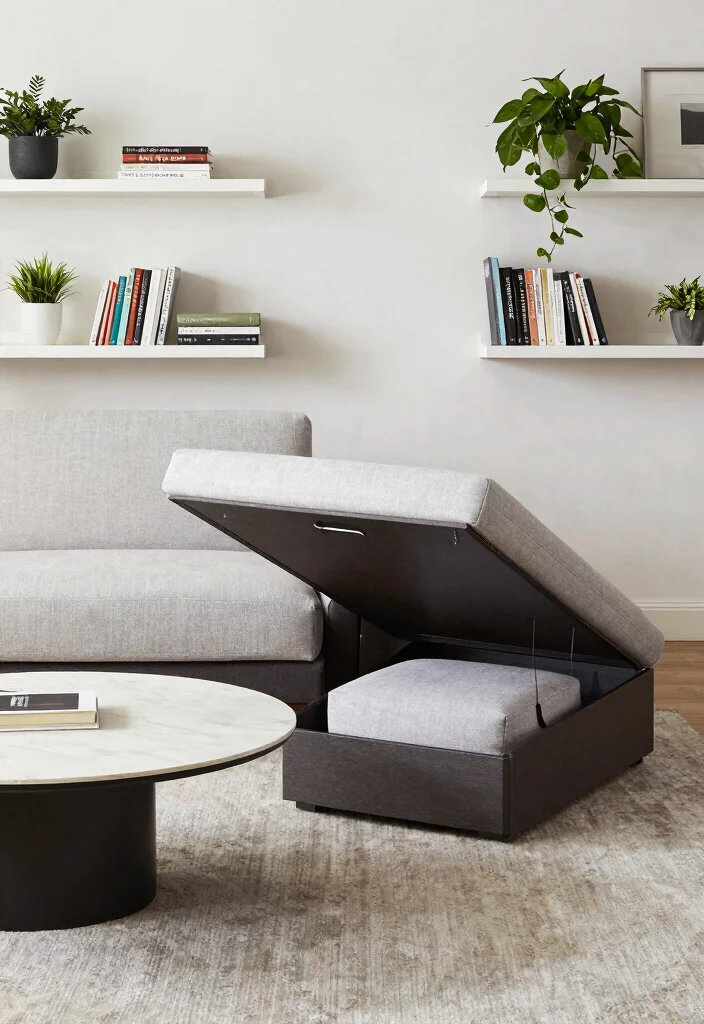
In an open layout, multi-functional furniture is a game changer. Pieces that serve multiple purposes save valuable space and enhance the functionality of your home. Think about a dining table that can double as a workspace or ottomans that provide both seating and storage, creating a clutter-free environment.
This trend supports a minimalist aesthetic while ensuring efficiency in daily routines. Look for budget-friendly alternatives like secondhand furniture that can be repurposed, allowing you to stay stylish without breaking the bank.
Implement these space-saving furniture ideas:
– Use a coffee table that transforms into a dining surface.
– Incorporate nesting tables that tuck away easily.
– Choose modular seating that can be rearranged as needed.
By integrating these multi-functional elements, you can maximize space while maintaining a sleek, stylish atmosphere that works for your lifestyle.
Did you know that 2-in-1 furniture can reclaim up to 30% of floor space in open layouts? For living with dining room ideas, choose pieces that double as a workspace or offer hidden storage—it’s a simple trick that keeps daily routines efficient and clutter-free.
How To Choose Space-Saving Furniture for Your Open Layout
Choosing the right space-saving furniture can greatly enhance your open concept living and dining areas. Here’s how to make the best choices for your home.
1. Identify Your Needs
Before shopping, think about how you use your space. Do you need extra seating for guests? Or perhaps a dining table that can expand? Knowing your requirements helps narrow down your options. Create a list of must-haves, like a sofa bed or a drop-leaf dining table, to keep your priorities clear.
2. Measure Your Space
Accurate measurements are vital. Measure the length and width of your living and dining areas to ensure the furniture fits comfortably. A good rule of thumb is to leave at least 24 inches of walking space around furniture. This space allows for easy movement and prevents your area from feeling cramped.
3. Choose Multi-Functional Pieces
Look for furniture that serves more than one purpose. A coffee table with storage underneath can help declutter your space. Ottomans that double as seating and have hidden compartments are also great choices. These pieces not only save space but also add style and functionality to your decor.
4. Consider the Style and Color
Choosing a cohesive color palette is essential for an open concept layout. Light colors can make the space feel larger, while darker colors can create a cozy atmosphere. Match furniture styles to keep a unified look; for example, if you have a modern dining table, pair it with sleek chairs. This connection enhances the overall aesthetic of your home.
5. Think About Storage Solutions
Maximize your open space by choosing furniture that includes storage options. Look for bookshelves that can act as room dividers, or sideboards that offer storage for dining essentials. These solutions keep your space organized and stylish, helping you maintain a tidy environment.
6. Set a Budget
Decide on a budget before you start shopping. Space-saving furniture comes in a variety of price ranges. Knowing your financial limits helps you avoid overspending and keeps you focused on options that fit your needs. Remember, quality over quantity is key; investing in a few high-quality pieces can be more beneficial than filling your space with cheaper items.
Pro Tip: Always opt for furniture with legs instead of pieces that sit flat on the ground. This design choice creates a sense of openness and allows light to flow through, making your space feel larger and more inviting.
3. Cohesive Color Palette
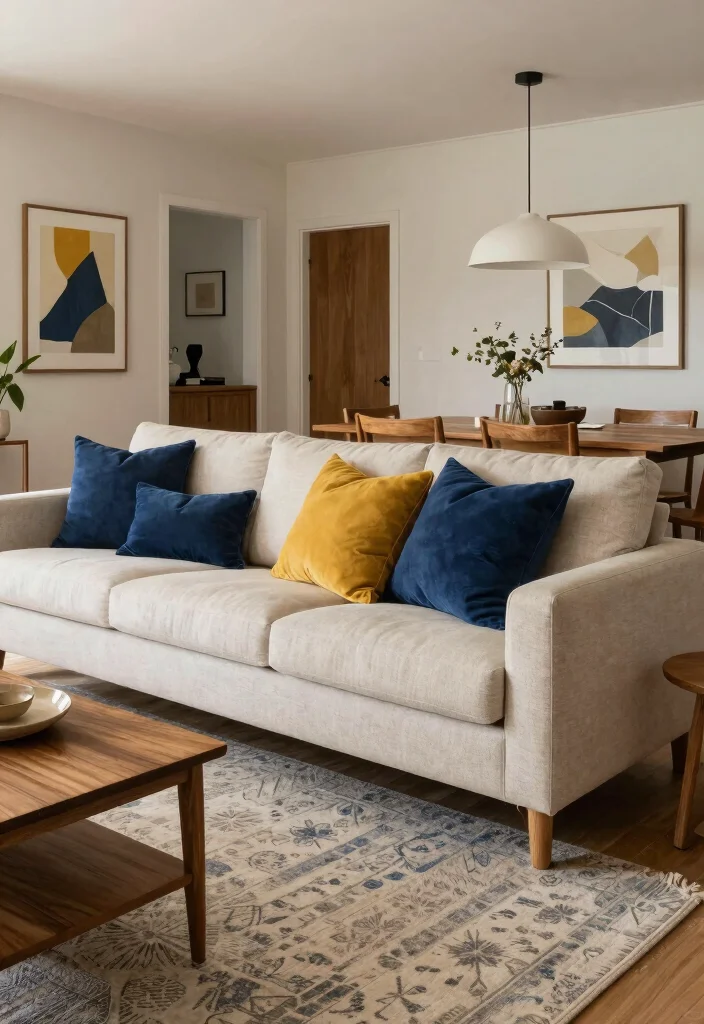
Establishing a cohesive color palette is crucial for unifying your open living and dining areas. A well-thought-out color scheme helps create a seamless flow, making the spaces feel connected and harmonious. Select a base color and complement it with various shades and textures; for instance, a neutral backdrop paired with vibrant throw pillows can add personality without overwhelming.
This approach enhances visual interest and ensures that the eye travels smoothly between different areas. For a budget-friendly option, consider DIY projects like painting your own accent pieces to tie the colors together.
Here are some color coordination tips to consider:
– Apply the 60-30-10 rule for a balanced color distribution.
– Incorporate varied textures to create depth in your design.
– Keep lighting in mind, as colors can change throughout the day.
With a carefully curated color scheme, your open layout can radiate harmony and sophistication, enriching your daily living experience.
4. Layered Lighting
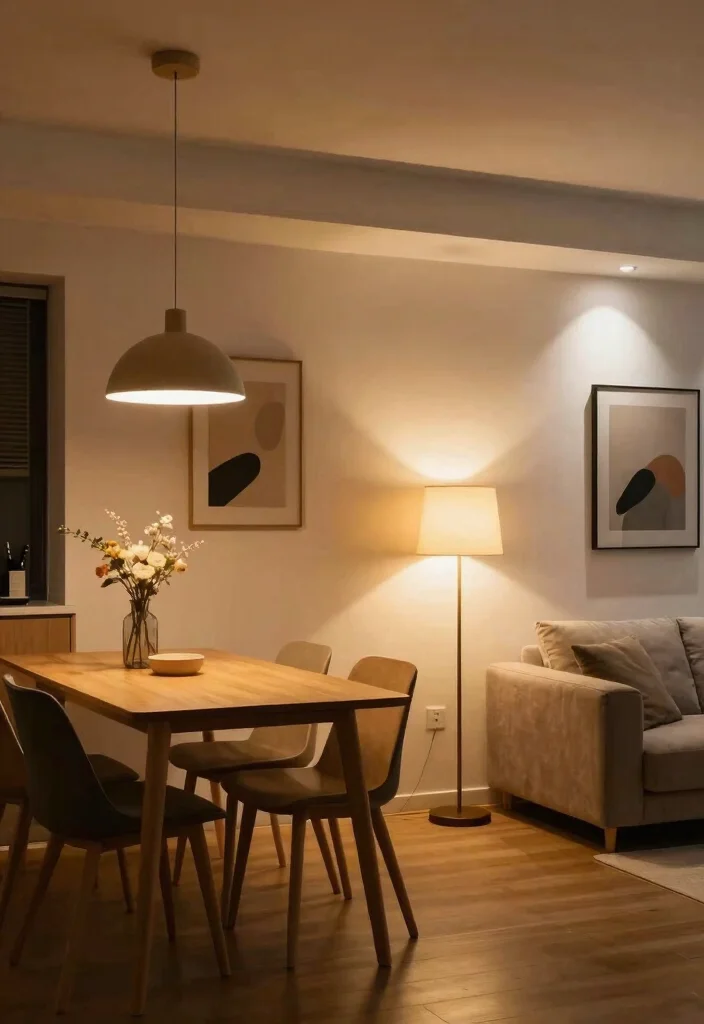
Effective lighting is vital in any open layout, where a single source often falls short. Layering different types of lighting allows you to create mood and enhance functionality throughout the space. Combine ambient lighting from ceiling fixtures with task lighting like stylish table lamps, and use accent lighting to highlight features or artwork.
This thoughtful approach not only brightens your home but also cultivates a warm and inviting atmosphere. To keep costs down, consider replacing bulbs with energy-efficient options or sourcing unique fixtures from thrift stores.
Explore these layered lighting ideas:
– Install dimmable ceiling lights for adaptable illumination.
– Use floor lamps to brighten up darker corners.
– Hang pendant lights over the dining table for a striking focal point.
By skillfully layering your lighting, you enrich your space’s visual appeal and usability, accommodating different activities and moods throughout the day.
5. Define Spaces with Rugs
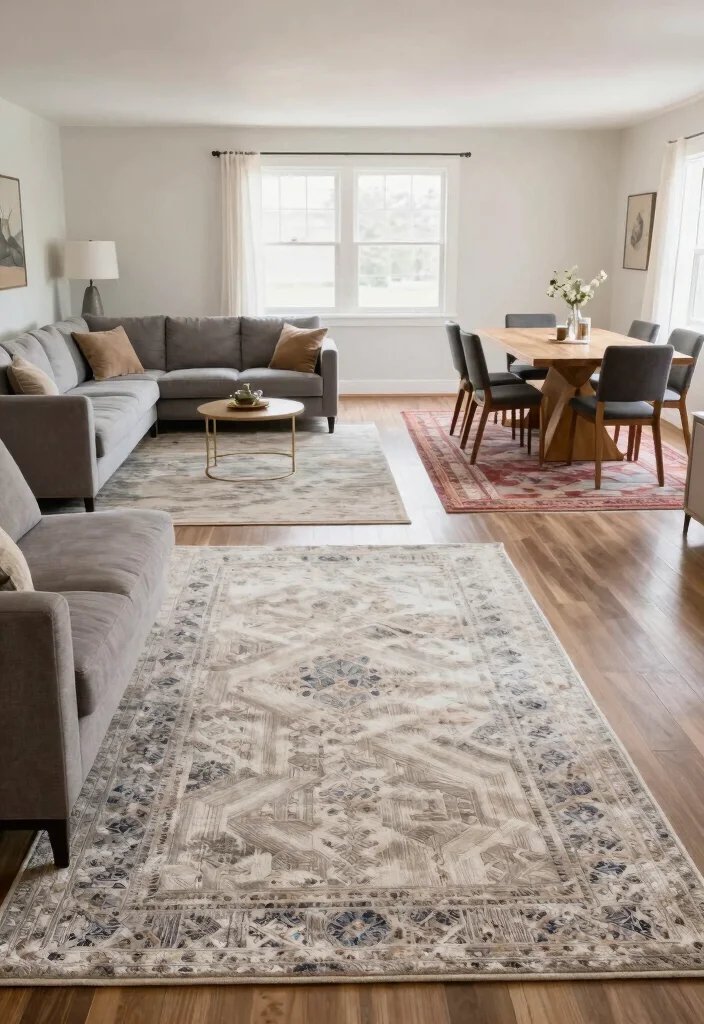
Rugs are a wonderful tool for delineating separate zones in an open layout without erecting physical barriers. They add warmth and texture, visually separating the dining area from the living space. Opt for rugs that complement the existing decor for a cohesive look; a large area rug can unify smaller furniture pieces while contrasting rugs define distinct areas.
Choose durable materials that can handle foot traffic, especially in dining spaces, and don’t hesitate to play with patterns to inject personality while keeping harmony. Look for budget-friendly options at local markets or online sales.
Here are some tips for selecting rugs:
– Ensure rugs are large enough for the front legs of furniture.
– Use durable materials that withstand daily use.
– Experiment with patterns to add character while maintaining flow.
By effectively using rugs, you enhance both the aesthetic and functional aspects of your layout, making each area feel purposeful yet connected.
6. Minimalist Decor
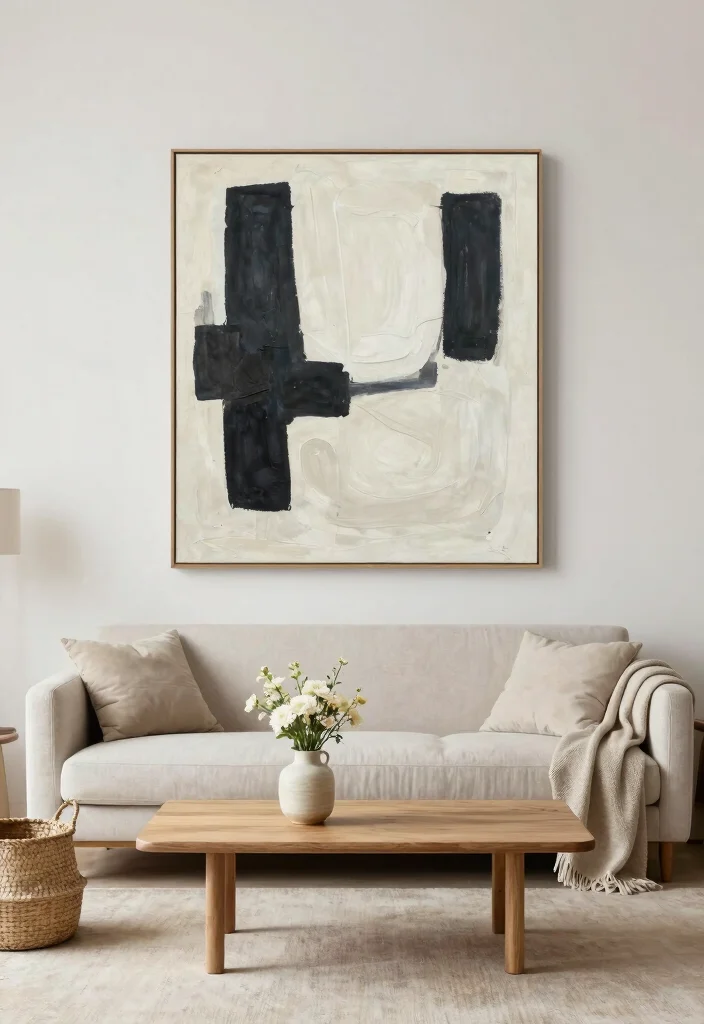
In a minimalist environment, less is indeed more. Emphasizing fewer pieces allows each item to shine and creates a serene and calming atmosphere. Select decor that serves a function, like a striking vase for fresh flowers or a captivating art piece that draws attention without clashing with the overall design.
Each item in a minimalist space should be carefully chosen to balance functionality and style. Consider thrift stores or flea markets for unique pieces that can elevate your decor without overspending.
Here are some minimalist decor suggestions:
– Focus on a few statement pieces instead of many small items.
– Use wall art that resonates with your personality yet fits the theme.
– Keep surfaces clean and clutter-free to promote tranquility.
Adopting minimalist decor transforms your space into an open, inviting haven, enhancing everyday living with clarity and purpose.
7. Create a Focal Point
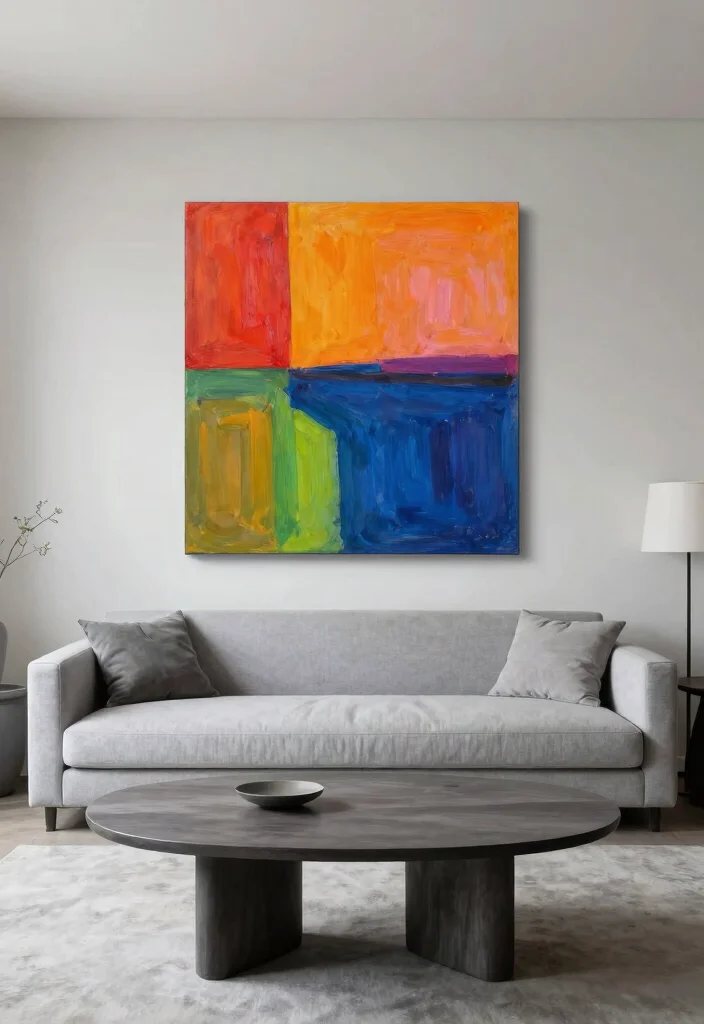
Every room thrives with a focal point that captures attention and adds interest. In an open layout, consider what feature you want to highlight, whether it’s a stunning piece of art, an eye-catching furniture item, or a beautifully designed feature wall. Establishing a focal point not only brings cohesion but also gives each area a clear purpose.
Enhance this feature with lighting that naturally draws the eye toward it. Budget-conscious options include DIY art projects or creating a gallery wall with cherished pieces.
Think about these focal point ideas:
– Hang an oversized art piece above the sofa.
– Select a unique dining table that stands out.
– Showcase a beautifully tiled fireplace in the living area.
By establishing a strong focal point, your open space gains a curated feel, showcasing your personal style and thoughtful design.
Your focal point anchors an open room—make it intentional. With living with dining room ideas, choose one standout feature and let lighting steer the eye toward it. Budget-friendly tweaks, like DIY art, keep the space cohesive and inviting.
Create a Focal Point
Editor’s Choice


8. Open Shelving
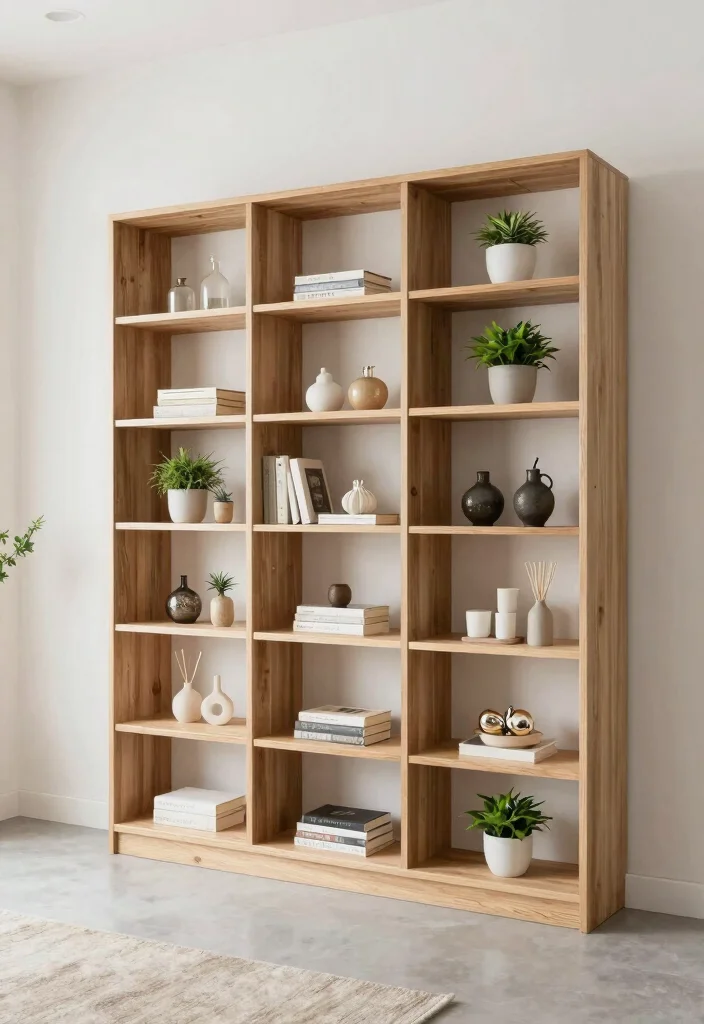
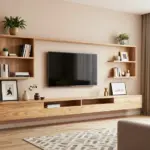
Open shelving combines storage and display, merging practicality with aesthetics in your open layout. These shelves allow you to showcase favorite dishware or books, creating a personal touch while maintaining functionality. Style them to reflect your taste, whether you prefer a modern look or something more rustic.
Curate your items thoughtfully, mixing decorative objects with books for variety. Consider budget-friendly options like repurposing old shelves or sourcing from online marketplaces.
Here are some open shelving tips:
– Curate your items for a balanced display of books and decor.
– Use baskets to keep lesser-used items organized.
– Refresh your shelves regularly to keep them visually appealing.
With open shelving, you can beautifully blend style and functionality, making your space feel warm and lived-in.
9. Incorporate Artwork
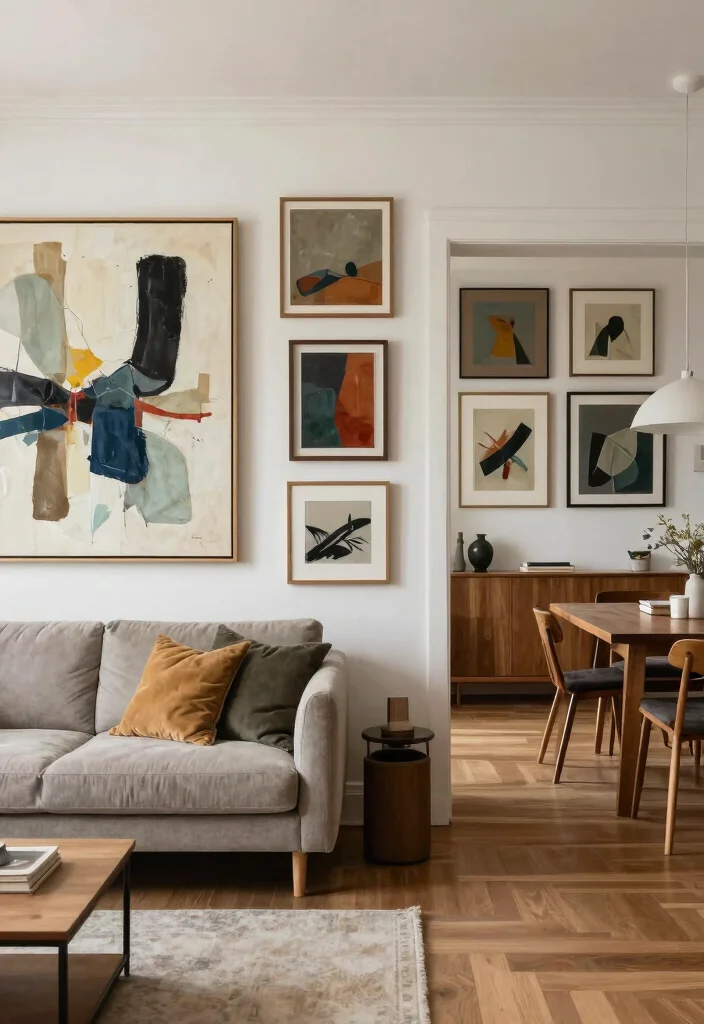
Artwork infuses personality and warmth into any space, making it feel uniquely yours. In open layouts, think about how art can link different areas, such as a large piece making a statement in the living room and smaller works creating a gallery wall leading into the dining area. Selecting artwork that resonates with you deepens your connection to your home and can introduce colors or textures that unify the layout.
For an economical approach, consider local artists or prints that bring vibrancy without overspending. Look for options that match your color scheme and style.
Here are some tips for integrating artwork:
– Mix different frame styles for an eclectic vibe.
– Use a variety of sizes for added visual interest.
– Ensure art complements the overall color palette.
Incorporating art that speaks to you transforms your open space into a reflection of your unique personality, making it truly one-of-a-kind.
Incorporate Artwork
Editor’s Choice


10. Use Vertical Space
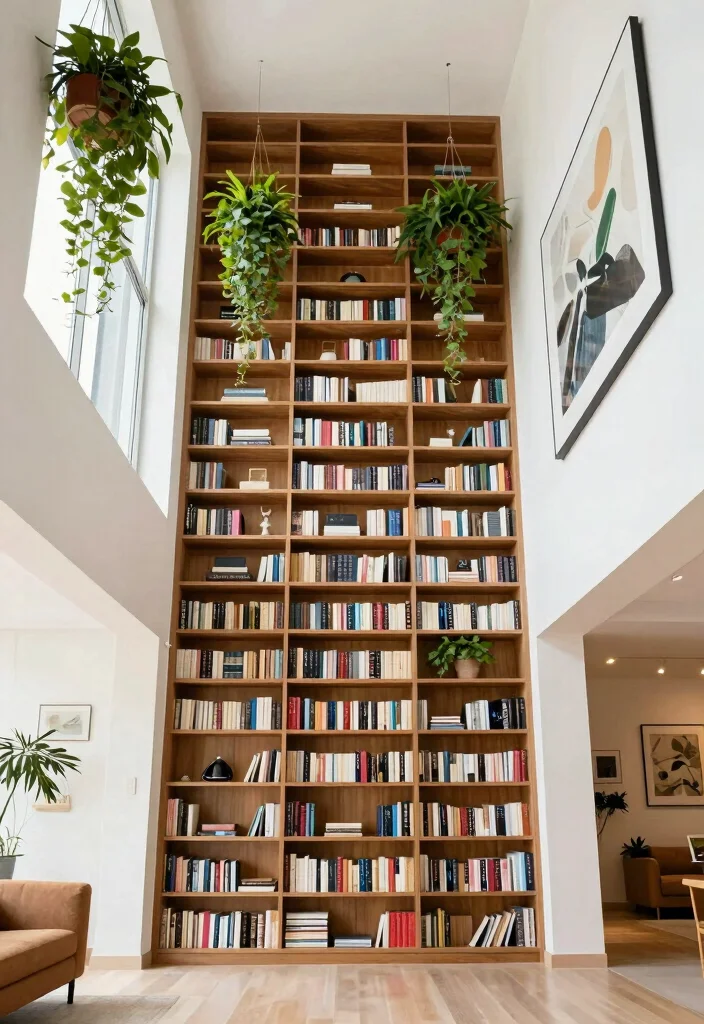
Don’t overlook the vertical space in your open layout! High ceilings offer fantastic opportunities for decor and storage. Tall shelving units can draw the eye upward, creating an illusion of added space, while hanging plants or artwork can introduce visual interest in often-neglected areas.
This approach not only enhances the feeling of spaciousness but also adds dimension to your decor. Budget-friendly options could include DIY wall planters or upcycled shelves for a unique touch.
Here are some ideas for utilizing vertical space:
– Install tall bookcases or cabinets that reach the ceiling.
– Hang art or mirrors higher to enhance the sense of openness.
– Use vertical gardens for a fresh and lively touch.
With thoughtful techniques, your open area can feel significantly larger and more inviting, creating a perfect backdrop for everyday life.
Use Vertical Space
Editor’s Choice


11. Personal Touches
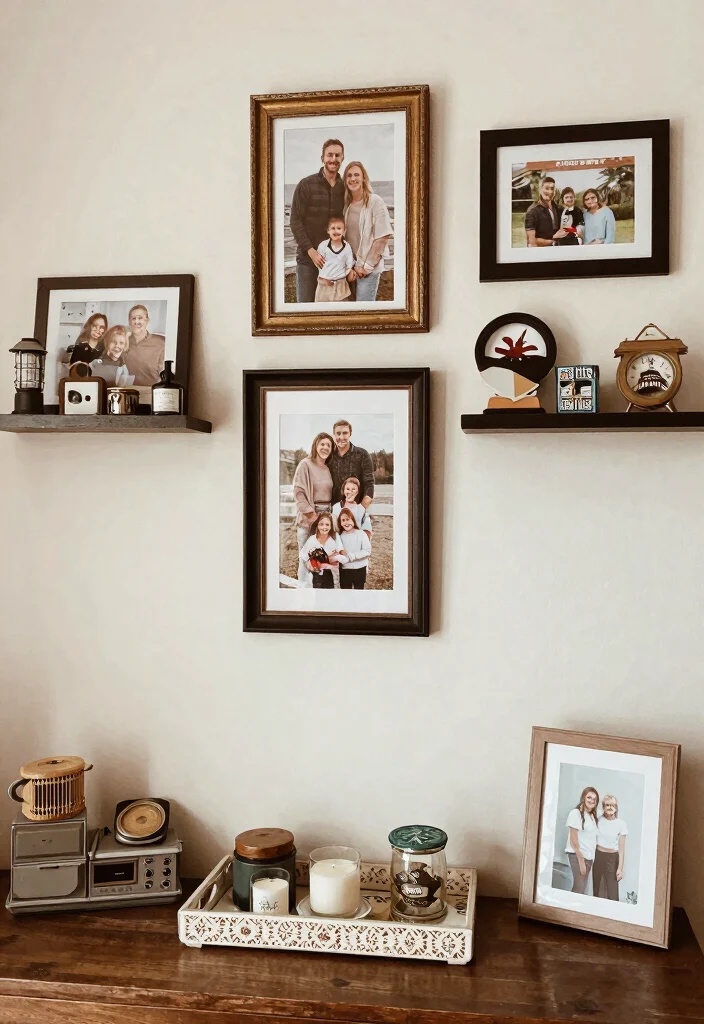
To make your open layout feel like home, add personal touches that reflect your life and style. Family photos, travel souvenirs, or cherished heirlooms can infuse warmth and character into your space. These items narrate your story and create a cozy atmosphere that invites everyone in.
Be selective in curating your collection, ensuring that each piece enhances the overall design while showcasing your individuality. Consider budget-friendly options like DIY decor projects to add a personal flair without overspending.
Here are some tips for personalizing your space:
– Mix and match items from various sources for an eclectic touch.
– Use decorative trays to gather smaller items cohesively.
– Regularly rotate personal pieces to keep the decor feeling fresh.
With these personal accents, your home becomes a true extension of yourself, filled with memories and warmth.
12. Nature-Inspired Elements
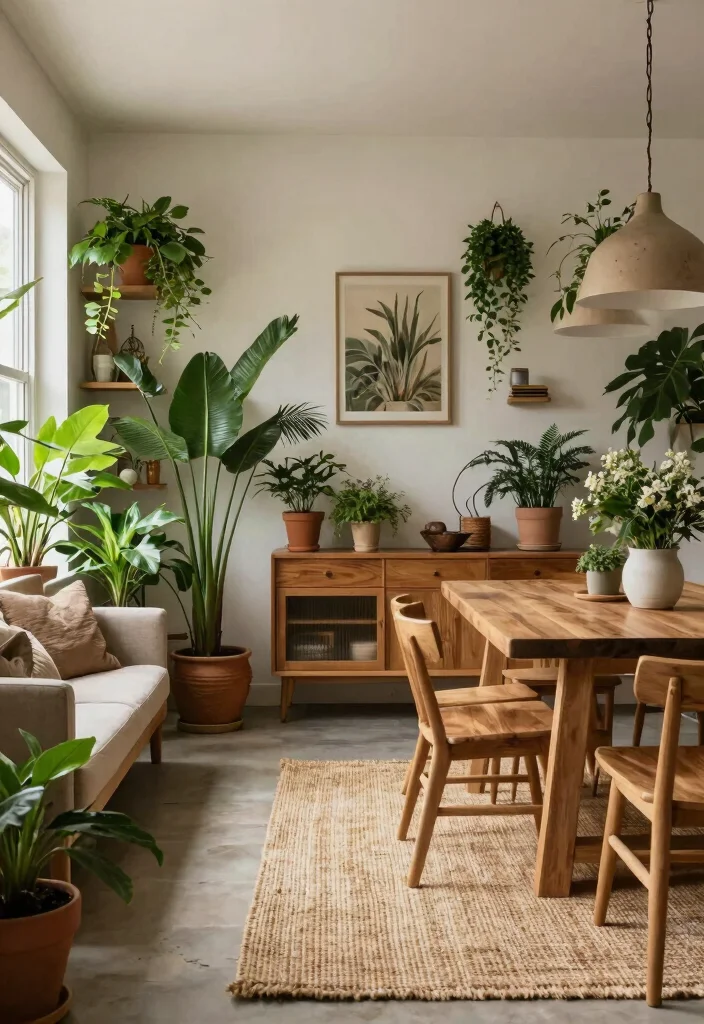
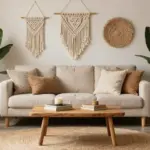
Incorporating nature indoors can elevate the tranquil vibe of your open space. Think about adding plants, natural materials, and earthy colors to cultivate a serene atmosphere. Plants not only purify the air but also breathe life into your decor, while wooden furniture provides warmth and an organic feel.
Natural textures like jute or linen further enhance the calming ambiance without cluttering the design. Budget-friendly options could include low-maintenance houseplants or repurposed wooden decor.
Consider these nature-inspired ideas:
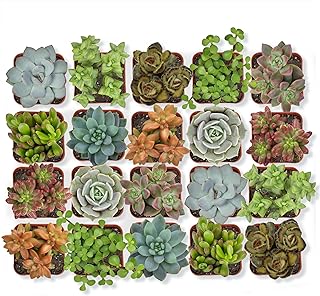
– Use indoor plants like succulents for easy care.
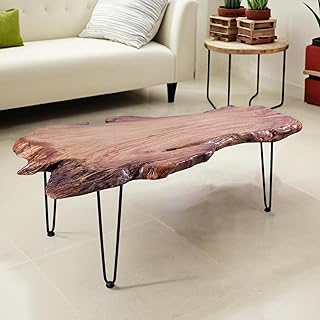
– Feature natural wood finishes in furniture or decor pieces.
– Layer textures through rugs and cushions for a cozy feel.
By integrating these elements, you create an inviting and peaceful open space where nature harmoniously blends with your home’s design.
Nature-Inspired Elements
Editor’s Choice


13. Stylish Storage Solutions
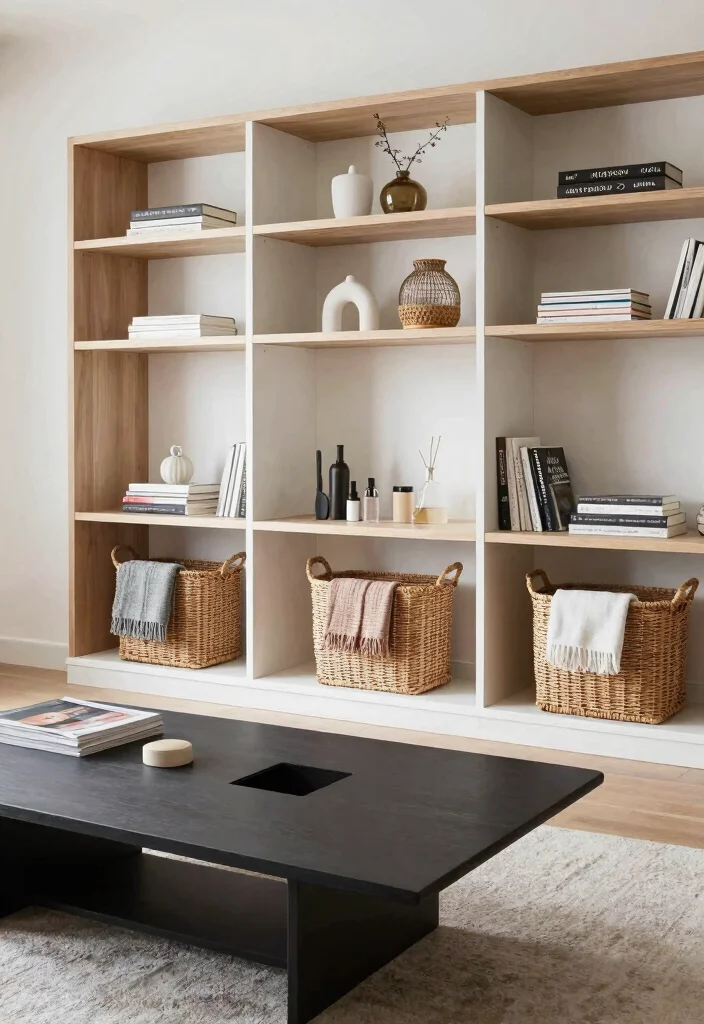
Maintaining a clutter-free environment is crucial in open layouts; stylish storage solutions play a key role in achieving this. Hidden storage can be seamlessly integrated into furniture, such as storage ottomans or coffee tables with concealed compartments. Using decorative baskets or chic bins can help keep your items organized without sacrificing style.
To stay budget-conscious, consider DIY storage projects or thrifted finds that add character. This ensures your living and dining areas remain tidy and welcoming for both you and your guests.
Explore these storage solution tips:
– Opt for built-in shelving for a streamlined appearance.
– Use stylish boxes or baskets to keep smaller items together.
– Select furniture pieces with hidden storage for added functionality.
With these strategies, you can create a beautifully organized space that feels open and serene, ready for any occasion.
Did you know that clever hidden storage can reclaim up to 40% more usable space in open-plan living with dining room ideas? A DIY storage ottoman or coffee table with concealed compartments keeps everyday clutter out of sight, while thrifted baskets add character. Small changes, big calm.
14. Connection Through Design
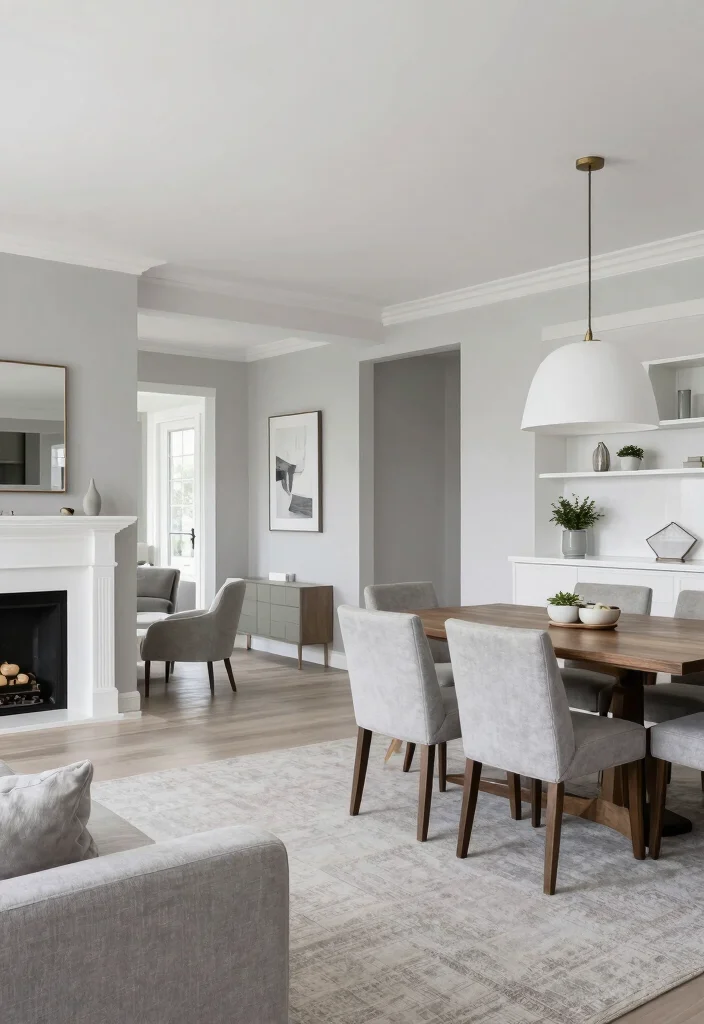
Lastly, think about how design can foster a seamless connection between your living and dining areas. Achieve this by maintaining consistent materials, colors, or decor themes that flow from one space to another. A shared color palette or matching furniture styles enhances unity and promotes a cohesive feel.
Additionally, open sightlines create a sense of flow, allowing for easy movement between areas. Budget-friendly options might include DIY decor items that tie the spaces together.
Consider these design connection tips:
– Use similar decor styles in both areas for a unified look.
– Opt for open furniture arrangements that promote flow.
– Keep sightlines clear to enhance the feeling of openness.
With thoughtful design promoting connection, your home becomes harmonious, inviting, and perfect for both daily life and entertaining.
Conclusion
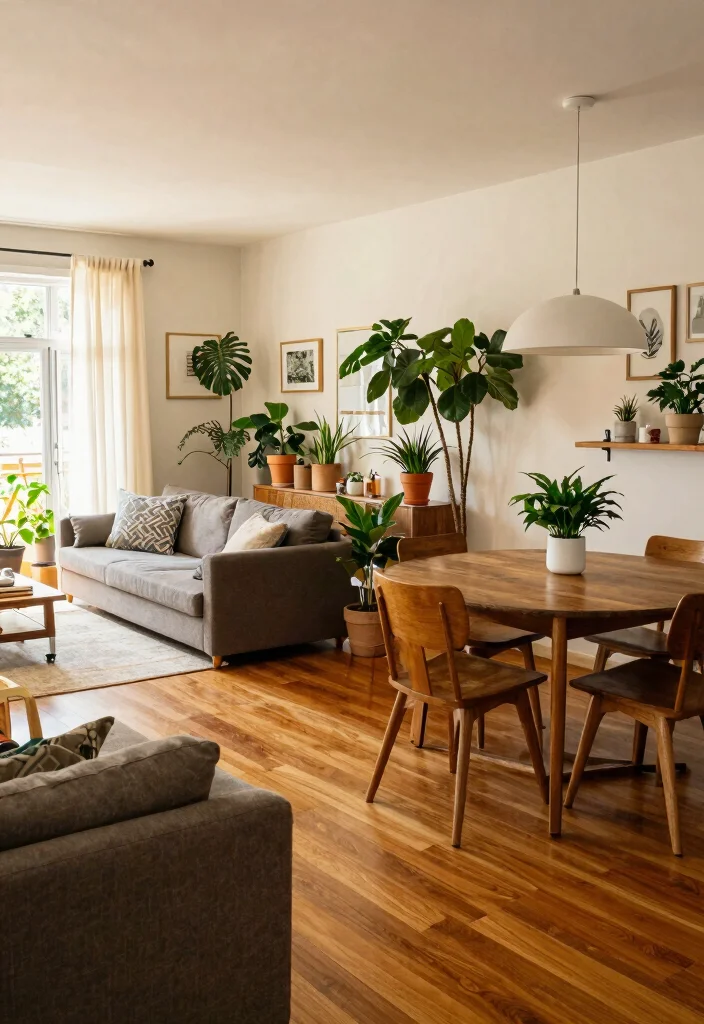
Transforming your open-concept living and dining room can be an exciting journey. By utilizing these ideas, you can create a space that is not only functional but also reflects your unique style. From maximizing natural light to integrating personal touches, every detail counts.
Explore these trends in your own home, and find joy in creating a harmonious environment where family and friends can gather. The right design choices will turn your open layout into a stylish and welcoming retreat.
Note: We aim to provide accurate product links, but some may occasionally expire or become unavailable. If this happens, please search directly on Amazon for the product or a suitable alternative.
This post contains Amazon affiliate links, meaning we may earn a small commission if you purchase through our links, at no extra cost to you.
Frequently Asked Questions
How can I create a minimalist living and dining area in an open layout without making it feel cluttered?
Start with a simple palette and let the open layout guide your decisions. Define distinct zones using furniture placement rather than walls, so you can enjoy open concept living while keeping the space calm.
Choose space-saving furniture like nesting tables, a sofa with built-in storage, and a compact dining set to reduce visual clutter.
Stick to a neutral base with one or two soft accent colors to maintain stylish room layouts.
Finally, maximize storage with hidden cabinets and wall-mounted solutions so everything has a place in your living with dining room ideas setup.
What are practical tips for choosing space-saving furniture that still looks stylish in a living with dining room setup?
Look for modular pieces that can grow with your needs. An extendable dining table, slim-profile chairs, and stackable stools keep the footprint small while giving you big functionality.
Choose space-saving furniture that still has character—think warm wood, glass tops, or matte metals.
Control surprises by measuring before you buy and keeping surfaces clear, so you preserve the airy feel of your open concept living space.
Add wall-mounted shelves or a storage ottoman to tuck away clutter without breaking the minimalist vibe for your living with dining room ideas.
How can I define distinct zones in open concept living with dining room ideas without using walls?
Define zones without walls by plotting a few simple tricks: a large area rug under the living area and a smaller one under the dining set creates visual separation.
Use lighting levels to cue different zones, with brighter task lighting for dining and warmer ambient light for lounging.
Place the dining pieces at one side of the room and the seating at the other, and consider a low bookcase or a slim console as a breathable divider.
These strategies help you achieve space-saving and stylish room layouts in your open concept living design.
Which modern dining room decor ideas work best in minimalist open layouts?
Choose a palette of neutrals with one bold accent to keep things fresh but calm.
Favor clean lines and natural materials—wood, stone, linen—that read as timeless, not trendy.
For dining, consider a slender table with slim chairs and built-in storage to reduce clutter; a bench can add flexibility.
Add modern dining room decor touches like a metal frame mirror, a single sculptural centerpiece, or a plant for life without overwhelming the space.
In open concept living setups, less is more, and every piece should earn its keep in your living with dining room ideas.
How can I maintain good traffic flow and acoustics in an open living and dining space?
Plan for smooth traffic flow by keeping clear pathways between zones; avoid oversized furniture that blocks movement.
Layer light to guide activities and use soft textiles to dampen sound—think area rugs, curtains, and cushions.
Add plants and lightweight screens if you want a sense of separation without walls, and consider acoustic panels for louder rooms.
With good planning, you’ll maintain open concept living comfort and create a practical, stylish living with dining room ideas space.