The desire for a fresh and inviting space is something we all share, especially when it comes to our living rooms. If you’re like me, you might find yourself daydreaming about how to infuse a bit more life into your cozy corner. That’s why I created this post—12 living room with plants ideas designed to bring a burst of energy and serenity into your home. Indoor plants not only enhance aesthetics but also improve air quality, making your space feel more vibrant and alive.
This guide is perfect for anyone who loves home decor, especially those who embrace minimalist living. If you appreciate clean lines, uncluttered spaces, and the beauty of nature, you’re in the right place. You’ll discover practical tips that can seamlessly integrate indoor plants into your living room design, no matter your style or budget.
Get ready to explore a variety of plant styling ideas that are not only fresh but also easy to implement. From creating vertical gardens to adding colorful pots, each idea will help you transform your living space into a green oasis. By the end of this post, you’ll be armed with inspiration to turn your living room into a welcoming retreat filled with greenery and life.
Key Takeaways
– Incorporating indoor plants can enhance your living room’s aesthetics while improving air quality.
– Explore various plant styling ideas, including vertical gardens and hanging planters, to maximize space.
– Use natural light effectively by positioning plants where they can thrive and add to the decor.
– Experiment with colorful pots and groupings to create visual interest and harmony in your design.
– Create cozy nooks or reading areas with plants to make your living room feel warm and inviting.
1. Create a Vertical Garden
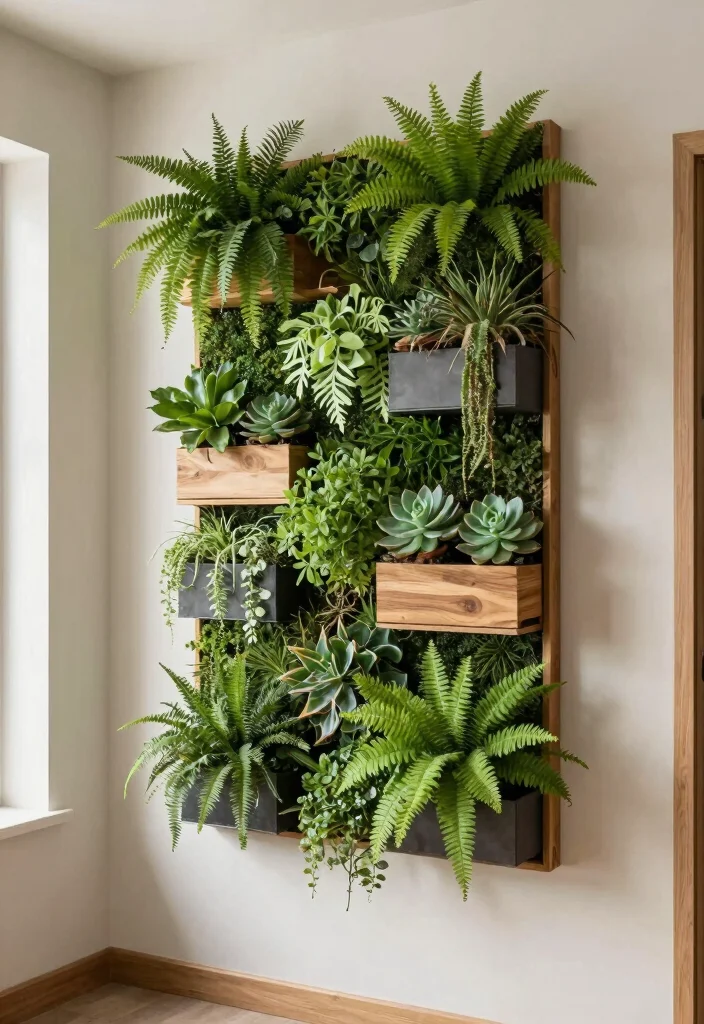
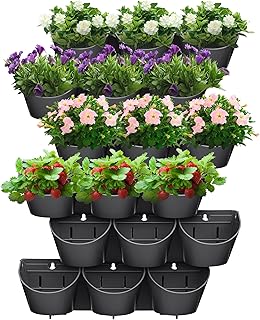
Vertical gardens are an inspiring way to introduce greenery into your living room, maximizing style while saving floor space. By using wall-mounted systems, you can cultivate a variety of herbs, succulents, or ferns, which not only enliven the space but also serve as a striking feature wall. Arranging plants at varying heights and colors creates visual interest, ensuring your vertical garden is both beautiful and functional. Imagine the lushness of cascading greens against a neutral backdrop, creating a serene oasis in your home.
To implement this, consider using budget-friendly materials like wooden pallets or affordable wall planters. You can enhance your vertical garden’s appeal with decorative pots that add character. This effortless approach aligns with the growing trend of incorporating nature into interiors, offering emotional benefits like relaxation and satisfaction.
– Pair vertical planters with a collection of trailing plants for added depth.
– Install a drip irrigation system for easy maintenance.
– Use colorful pots to create a vibrant display.
– Incorporate a variety of textures and heights for dynamic visual appeal.
This method not only beautifies your space but also brings a touch of nature indoors, enhancing your living area’s overall aesthetic.
Create a Vertical Garden
Editor’s Choice




2. Use Floor Plants for Impact
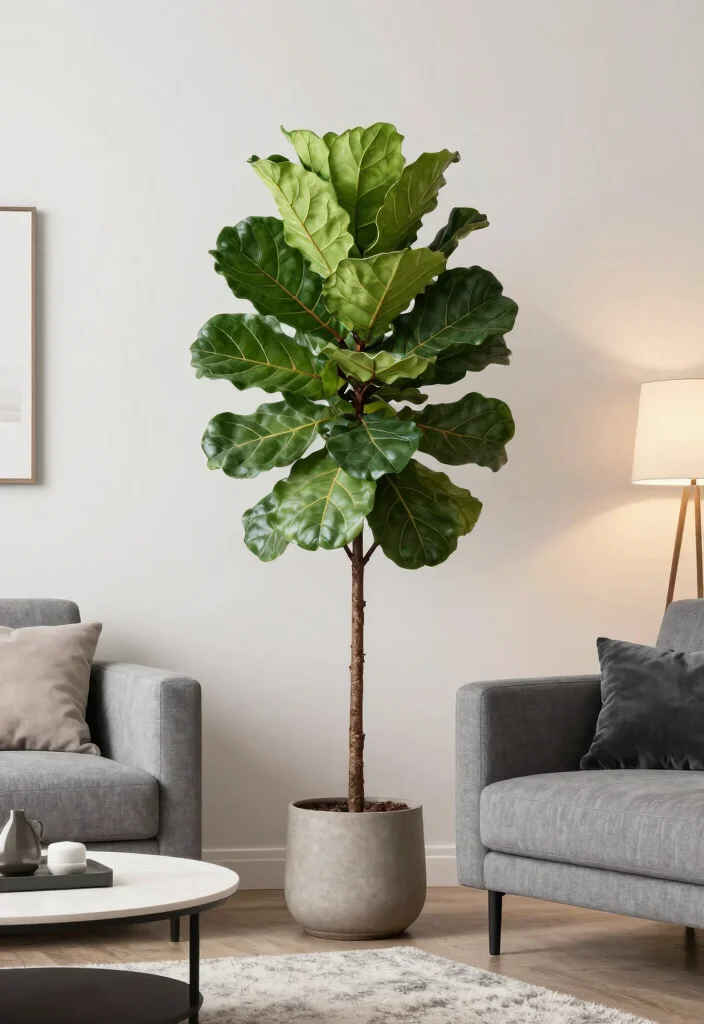
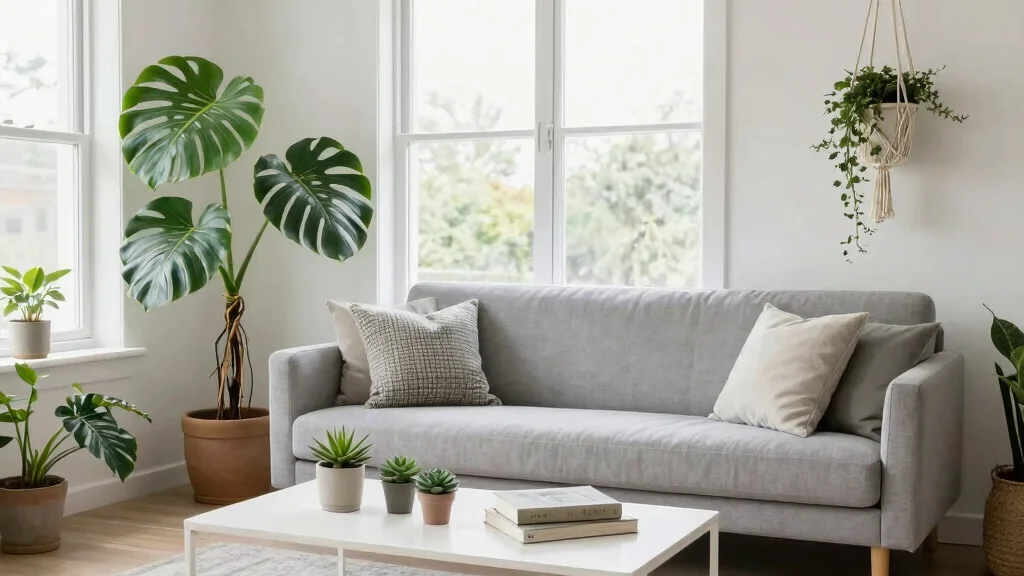
Large floor plants can instantly rejuvenate your living room, making it feel fresh and inviting. Consider options like fiddle leaf figs, rubber plants, or snake plants, which thrive indoors and create stunning focal points in any space. Positioning these tall plants near windows or beside furniture can establish balance and add visual intrigue, enhancing the room’s overall design. Picture a lush green plant towering beside a sleek sofa, offering a striking contrast.
When selecting your floor plants, consider their growth habits and how they align with your decor style. For a minimalist aesthetic, opt for simple pots that harmonize with your furnishings, ensuring the greenery remains the focal point.
– Research the light requirements for each plant to ensure they thrive.
– Mix different floor plants for a variety of heights and textures.
– Use planters that match your furniture style for a cohesive look.
– Rotate plants regularly to promote even growth.
This approach enhances your living space while adding an organic touch that fosters a calming atmosphere.
Use Floor Plants for Impact
Editor’s Choice


Top Varieties for Different Conditions
1. Snake Plant (Sansevieria)
– Best conditions: Thrives in low light and dry environments.
– Key features: This hardy plant is nearly indestructible. It purifies the air and adds a modern touch to your living room.
– Considerations: Avoid overwatering as it prefers dry soil.
2. Pothos (Epipremnum aureum)
– Best conditions: Adapts well to various light conditions, including low light.
– Key features: Pothos is known for its trailing vines and beautiful variegated leaves. It’s easy to propagate and perfect for beginners.
– Considerations: Trim regularly to keep its shape and promote fuller growth.
3. ZZ Plant (Zamioculcas zamiifolia)
– Best conditions: Thrives in low to bright indirect light and requires minimal water.
– Key features: ZZ plants are drought-tolerant and have glossy, dark green leaves, making them a chic choice for modern decor.
– Considerations: All parts of the plant are toxic if ingested, so keep it out of reach of pets and children.
4. Peace Lily (Spathiphyllum)
– Best conditions: Prefers low to medium light and needs moist soil.
– Key features: This plant produces beautiful white flowers and is excellent for improving indoor air quality.
– Considerations: It can be sensitive to cold drafts, so keep it in a stable environment.
5. Spider Plant (Chlorophytum comosum)
– Best conditions: Grows well in bright indirect light but can tolerate low light.
– Key features: Spider plants are known for their arching leaves and baby “spiders” that grow on long stems. They’re great for hanging baskets.
– Considerations: They prefer slightly moist soil, so avoid letting them dry out completely.
6. Rubber Plant (Ficus elastica)
– Best conditions: Enjoys bright, indirect light and moderate humidity.
– Key features: With its large, glossy leaves, this plant can become a striking focal point in your living room.
– Considerations: Rubber plants can grow quite tall, so ensure you have space for its height.
7. Boston Fern (Nephrolepis exaltata)
– Best conditions: Loves humid environments and indirect sunlight.
– Key features: This lush plant adds a soft and airy feel to any room. It’s fantastic for hanging planters or as a tabletop display.
– Considerations: Requires regular misting and consistent moisture to thrive.
Climate/Condition Guide:
When selecting plants for your living room, consider your local climate. If you live in a humid area, opt for ferns or peace lilies that thrive in moisture. If your home is dry or has low light, choose snake plants or ZZ plants that are more forgiving. For those in cooler climates, make sure to avoid drafts that can harm sensitive plants like peace lilies and ferns.
Growing Tips:
– Rotate your plants occasionally to ensure even growth and light distribution.
– Use pots with drainage holes to prevent overwatering.
– Regularly dust the leaves to keep them clean and healthy.
Avoid:
– Don’t place plants too close to heating vents; it can dry them out.
– Avoid using the same potting soil for all plants, as different species have unique soil needs.
3. Incorporate Hanging Planters
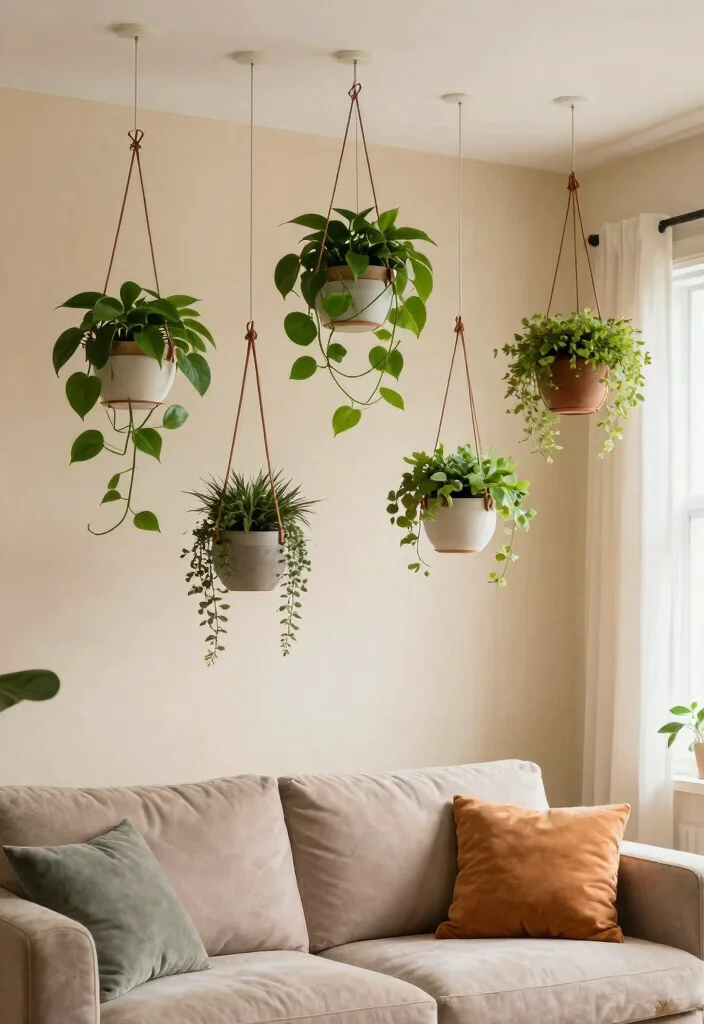
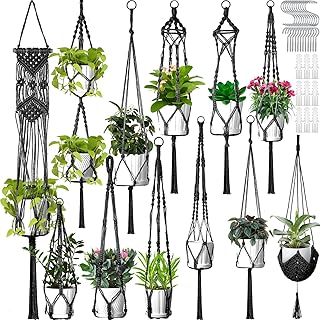
Hanging planters provide a fun and creative way to introduce greenery into your living room, especially in smaller spaces. By suspending them at varying heights, you can create an engaging visual dynamic that draws the eye upward. Options like macramé hangers offer a touch of nostalgia, while sleek metal or glass designs lend a contemporary feel. Imagine trailing plants like pothos or ivy cascading down, adding layers of texture.
These hanging installations not only make the room feel airier but also showcase plants beautifully. Mixing different styles allows you to craft a personalized arrangement that complements your decor.
– Choose lightweight plants that thrive in indirect light for easy care.
– Ensure secure hanging locations to prevent accidents.
– Consider a mix of container styles for an eclectic look.
– Regularly check for dust and moisture on hanging plants.
This playful approach infuses your living room with life while making the most of vertical space.
Incorporate Hanging Planters
Editor’s Choice


4. Create a Plant Shelf
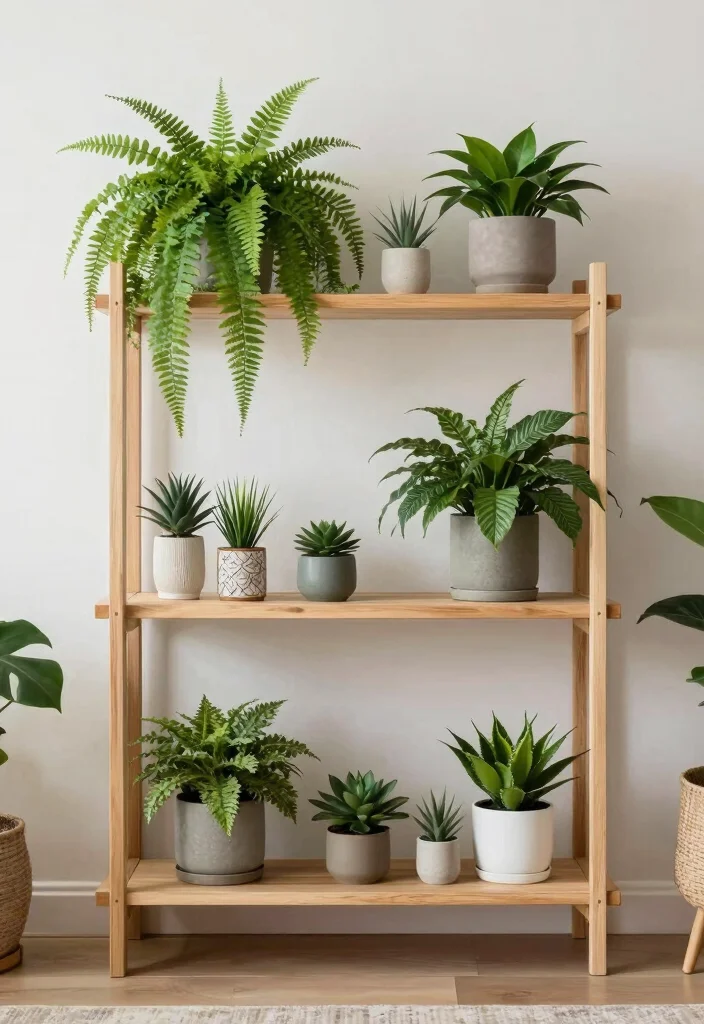
A dedicated plant shelf can elevate your indoor garden and serve as a captivating focal point in your living room. Opt for a stylish shelving unit where you can showcase a blend of plants in various sizes. Position larger pots on the bottom shelves and smaller ones on top to create depth and visual interest. Mixing in decorative items like books or candles adds a balanced touch to the arrangement.
This method encourages creativity and allows you to curate a personal space that reflects your style. Ensure your shelf is well-lit to keep plants thriving and consider rotating them for freshness.
– Use a variety of plant types for contrast in shapes and colors.
– Incorporate plant stands or risers to create levels.
– Ensure the shelf is in a well-lit area for optimal growth.
– Rotate plants occasionally for equal light exposure.
This not only enhances your decor but also brings nature into your daily life.
Create a Plant Shelf
Editor’s Choice


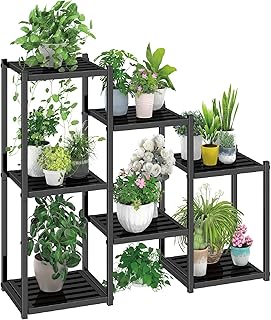
5. Add a Terrarium
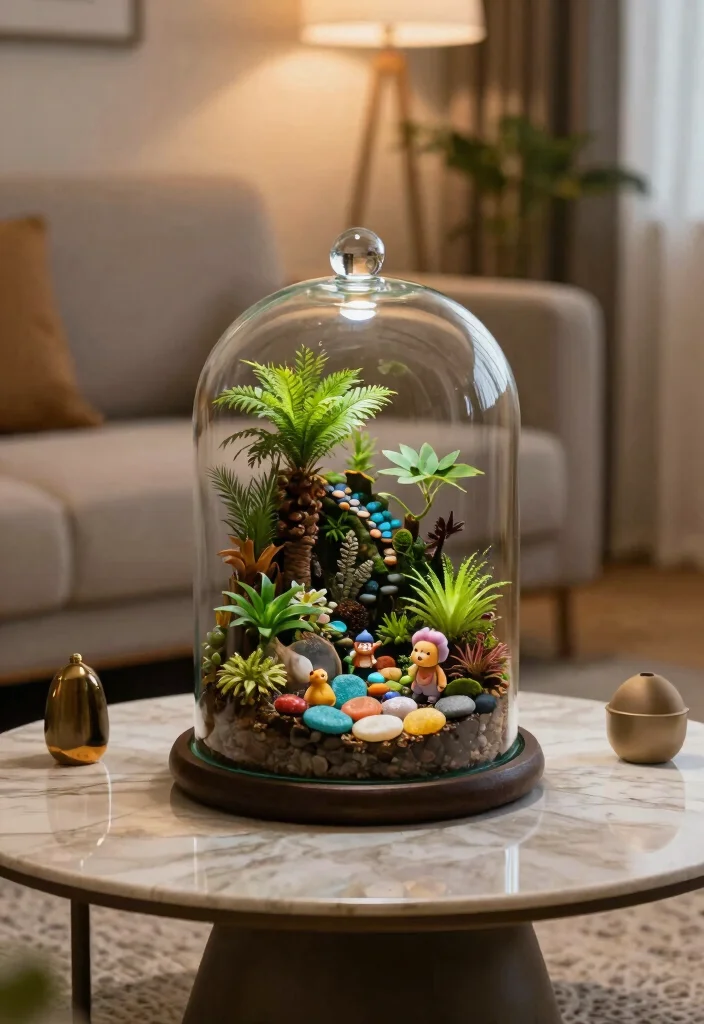
Terrariums are a delightful way to incorporate plants into your living room, especially if you appreciate a touch of whimsy. These mini gardens can house various plants like moss, ferns, and small succulents, all beautifully arranged within glass containers. They offer a unique visual appeal and can serve as conversation starters, bringing a lively vibe into your space.
Placing a terrarium on a coffee table or shelf introduces lushness indoors without overwhelming the area. You can embellish your terrarium with decorative stones, crystals, or miniature figurines to personalize the design.
– Ensure your terrarium has good drainage to prevent water issues.
– Avoid overwatering to maintain a healthy environment.
– Place it in bright, indirect light for optimal growth.
– Choose a container that complements your room’s decor.
Utilizing a terrarium not only beautifies your space but also enhances the overall atmosphere with its natural charm.
6. Use Plant Groupings
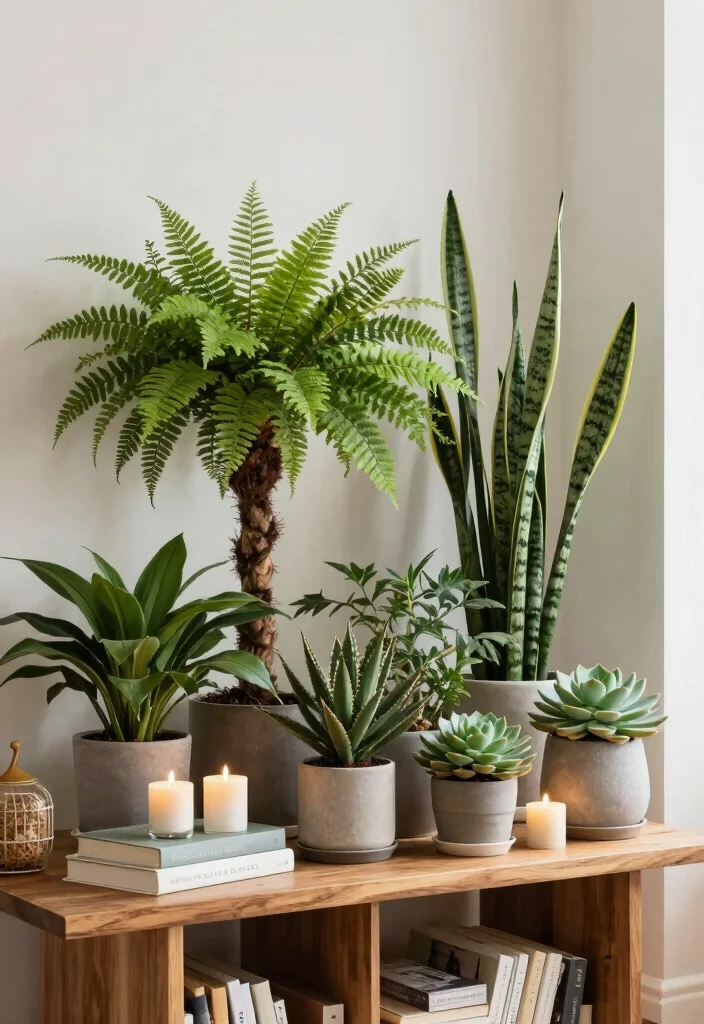
Grouping plants can create a lush, filled look in your living room while conserving space. Mixing different sizes, shapes, and textures, and arranging them on a console table or in a corner can establish an organic feel in your decor. These clusters serve as a stunning focal point, inviting attention and appreciation. Imagine a serene corner where diverse plants thrive together, creating a mini ecosystem.
To achieve harmony, balance the heights of the plants and choose a cohesive color palette. Decorative trays or stands can help define the groupings, adding structure to your display.
– Use a mix of textures (like glossy leaves next to fuzzy ones) for contrast.
– Experiment with different container styles for added diversity.
– Consider each plant’s light and water needs when grouping.
– Change the arrangement periodically for a fresh look.
This thoughtful approach enhances the beauty of your space while celebrating the vibrancy of nature.
Fun fact: Grouping 3–6 plants creates a lush focal point in a living room with plants ideas. Mixing sizes and textures visually expands space and cuts clutter—your corner can feel 20% cozier with a cohesive plant grouping. Balance heights for harmony and easy care.
7. Use Natural Light to Your Advantage
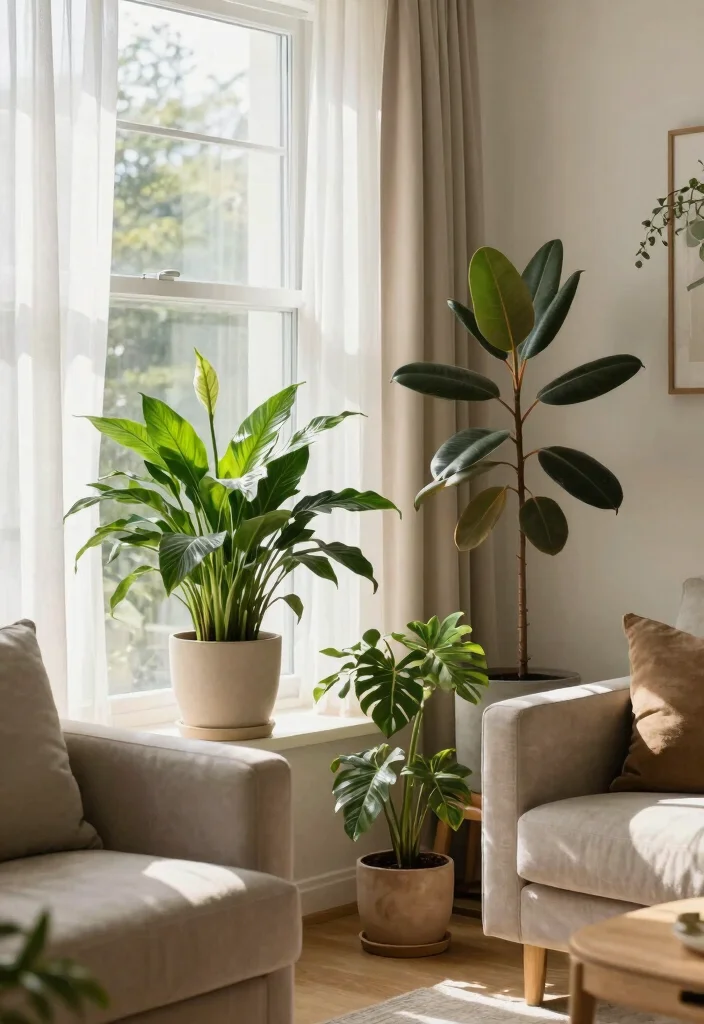
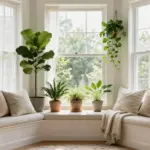
Maximizing natural light is essential for keeping your indoor plants healthy and flourishing. Position your plants near windows where they can soak up sunlight, particularly those that thrive in bright, indirect light, such as peace lilies and rubber plants. Sheer curtains can soften harsh sunlight, creating a warm and inviting ambiance in your living room.
This not only benefits your plants but also elevates the overall atmosphere, making the space feel open and airy. On cloudy days, consider rotating your plants or using supplemental grow lights to maintain their vitality.
– Regularly adjust plants based on seasonal sunlight changes.
– Use reflective surfaces or mirrors to amplify light.
– Monitor for signs of too much or too little light exposure.
– Dust your plants regularly to keep leaves clean and effective at photosynthesis.
This approach not only nurtures your plants but also enhances the overall look of your living area.
8. Incorporate Colorful Pots
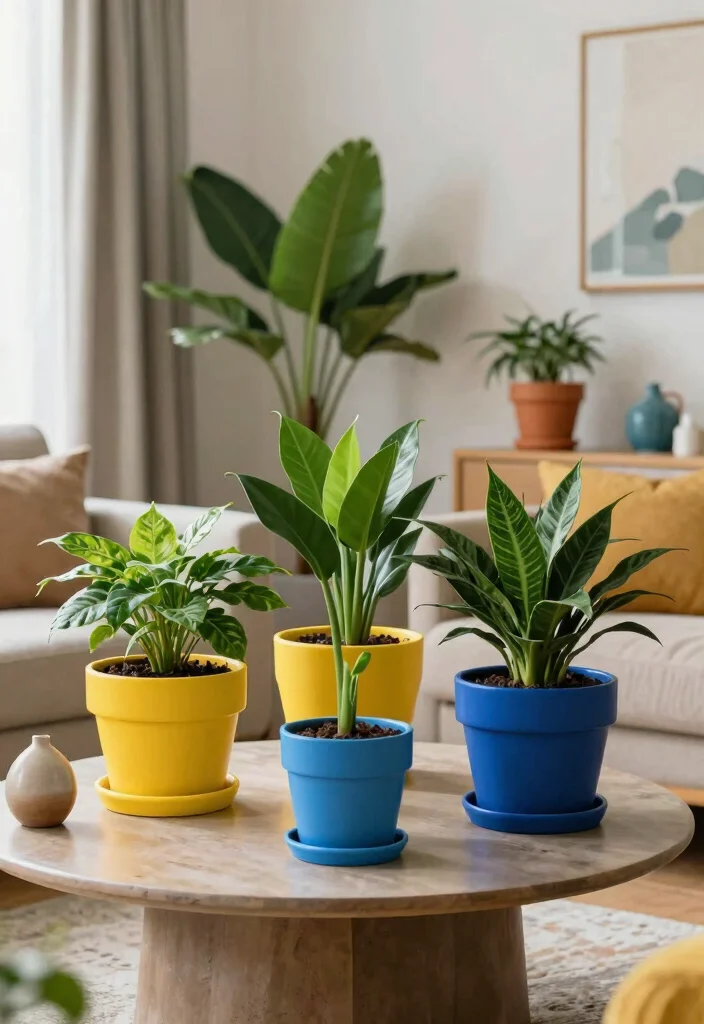
Colorful pots can inject personality and vibrancy into your living room, beautifully complementing your indoor plants. Whether you opt for bold, bright hues or soft pastel shades, the right pots can significantly enhance the visual appeal of your greenery. Mixing and matching pots with varied textures and finishes, like ceramic, terracotta, or metal, creates an eclectic and lively atmosphere.
Consider how the colors coordinate with your overall decor scheme, and enjoy experimenting with different combinations until you find the perfect fit for your space.
– Use a consistent color palette to maintain harmony.
– Ensure that pots have proper drainage holes.
– Group color-coordinated pots for a cohesive arrangement.
– Explore whimsical designs for a playful touch.
This vibrant approach elevates your decor while celebrating the beauty of your plants.
Colorful pots inject personality into your living room with plants ideas. Mix ceramic, terracotta, and metal finishes for an eclectic vibe, then coordinate hues with your decor. Small, thoughtful color choices make minimalist spaces feel vibrant and organized.
9. Create a Cozy Reading Nook
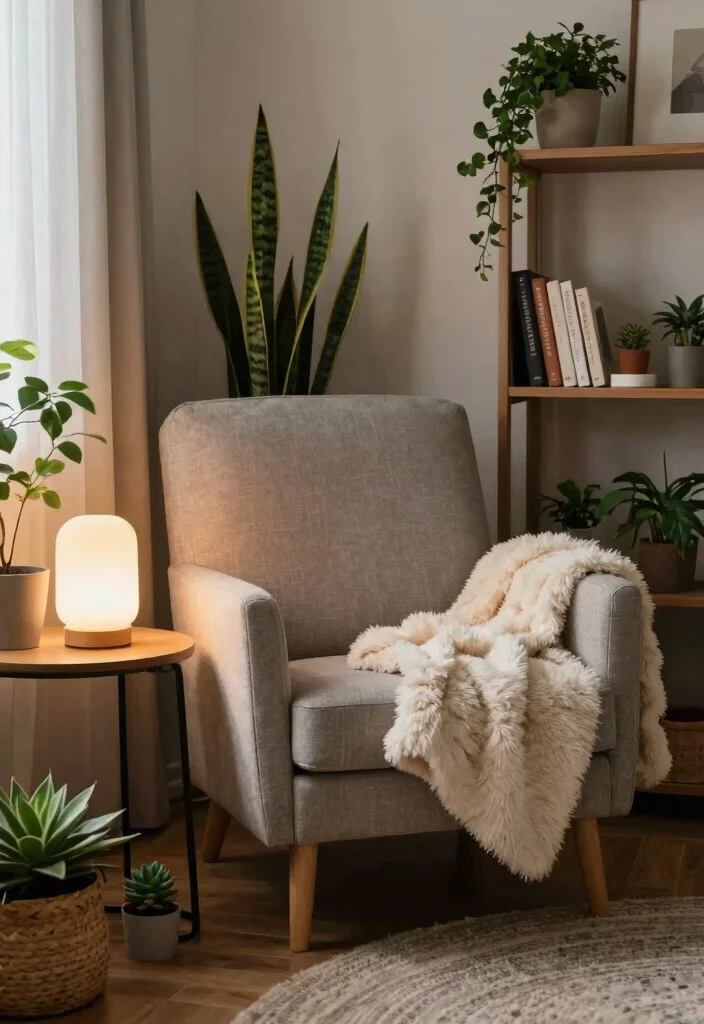
Transforming a corner of your living room into a cozy reading nook surrounded by plants can create a tranquil retreat. Add a comfortable chair or chaise lounge alongside a small side table, and surround it with your favorite greenery for an inviting atmosphere. Potted plants like snake plants or ZZ plants thrive in low light, making them perfect companions for your reading corner.
Draping a soft blanket over the chair and incorporating a small bookshelf nearby enhances the cozy vibe, turning it into the ideal spot for relaxation.
– Choose low-maintenance plants for easy care.
– Position plants at varying heights for visual appeal.
– Use lighting like lamps to create a warm ambiance.
– Add personal touches like your favorite quotes or art.
This nurturing setup not only encourages reading but also fosters a peaceful and calming environment.
Create a Cozy Reading Nook
Editor’s Choice




10. Experiment with Plant Types
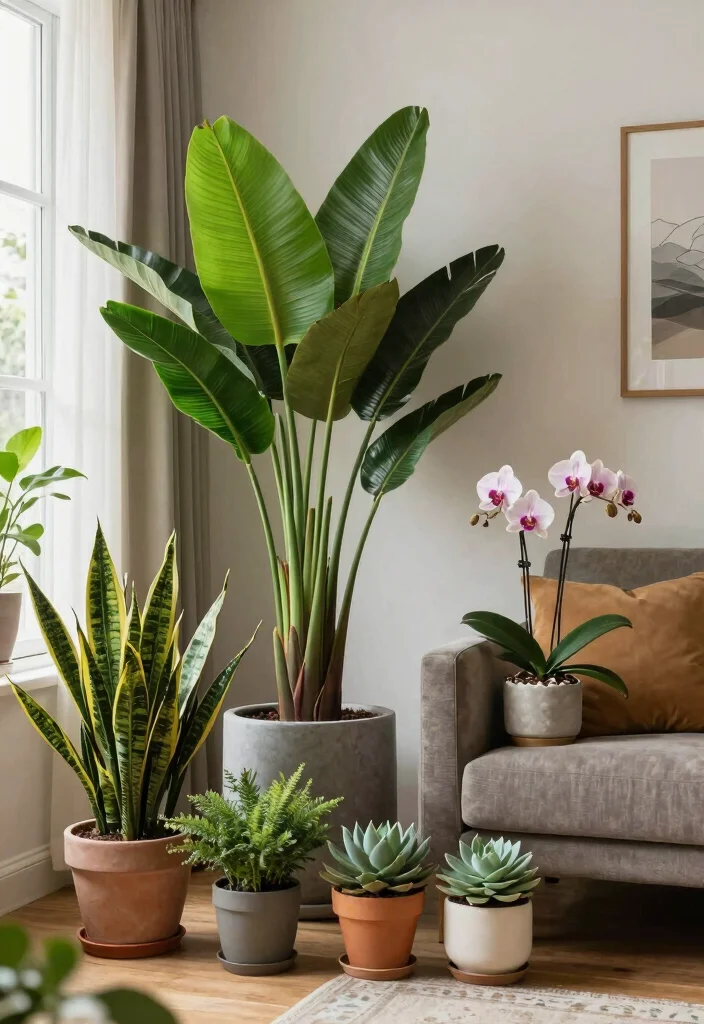
Embrace the variety of plant types available to create a dynamic and eye-catching living room. From robust leafy tropical plants to delicate flowering species, each plant brings unique textures, colors, and shapes to your space. Don’t hesitate to mix and match; consider the heights, shapes, and colors to craft an arrangement that captivates attention.
You might also explore faux plants for areas where real ones might struggle, such as low-light spaces or those requiring minimal upkeep. This strategy enables you to achieve the desired aesthetic while accommodating your lifestyle.
– Research plant compatibility based on sunlight and water needs.
– Consider seasonal changes and rotate plants accordingly.
– Add flowering plants for a splash of color during blooming seasons.
– Use faux plants strategically in tougher environments.
This adventurous approach brings life and diversity to your living area, making it a true reflection of your style.
11. Integrate Plant Art
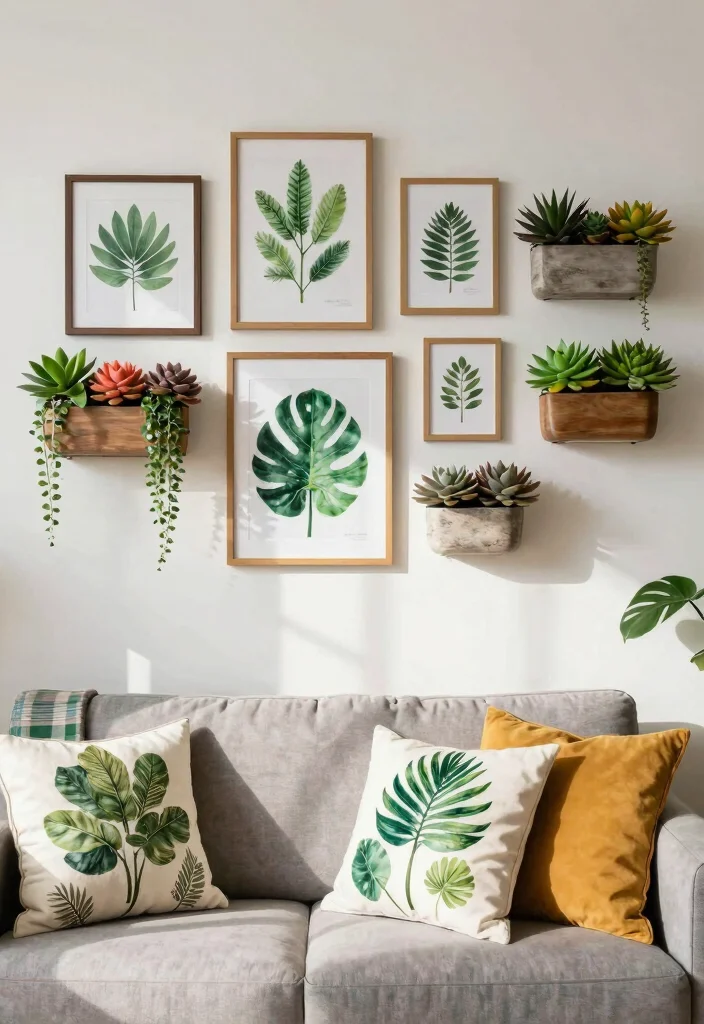
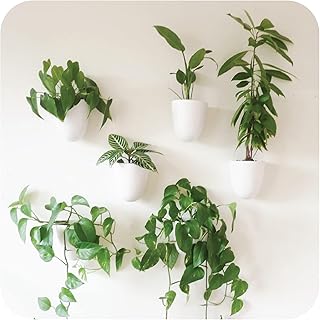
Art isn’t limited to paintings; it can also include plants! Integrating plant art, such as botanical prints or wall-mounted planters, offers a unique twist to your living room decor. Frame pressed plants, create a gallery wall featuring plant-themed art, or hang planters filled with small plants to add depth and interest while celebrating nature in style.
Choosing pieces that resonate with your existing decor ensures cohesion and personal expression in your space.
– Coordinate plant art with your existing color palette.
– Mix framed art and three-dimensional pieces for variety.
– Position art at eye level for optimal visibility.
– Incorporate plant-inspired decor items like cushions or throw blankets.
This creative integration enhances your decor while bringing a fresh perspective on how art and nature can coexist.
Fun fact: Integrating plant art can boost mood and perceived calm by up to 40% in a compact living room. From botanical prints to gallery walls, tiny plant touches turn your living room with plants ideas into a personal, fresh retreat.
12. Accessorize with Greenery
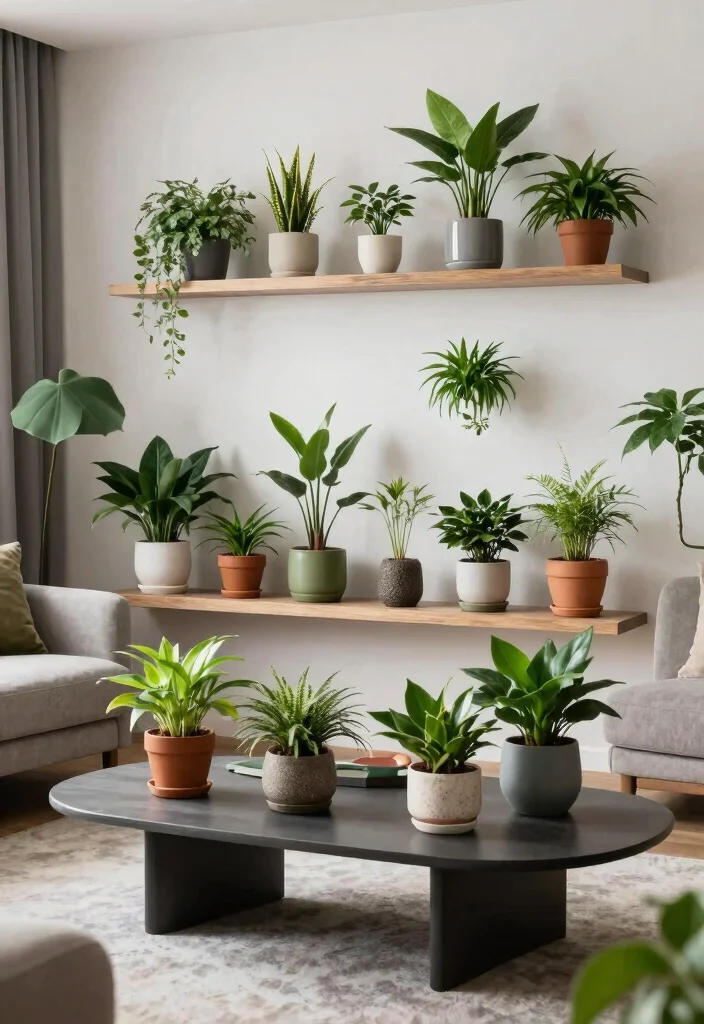
Accessorizing with small plants can breathe life into your living room without overwhelming the space. Think about decorating shelves, side tables, and even the coffee table with petite plants in stylish pots. Small succulents or air plants fit snugly into nooks where larger plants might not work, allowing greenery to flourish throughout your home.
Integrating these plants into your decor creates a layered and cohesive look, promoting a calming atmosphere. Choose pots that reflect your style, and mix textures for added depth.
– Select plants that fit your decor style, whether modern or rustic.
– Group smaller plants together for a cohesive look.
– Use a variety of heights and textures to keep the display interesting.
– Rotate plants periodically to refresh the arrangement.
This thoughtful approach encourages a serene and inviting ambiance throughout your living space.
Conclusion
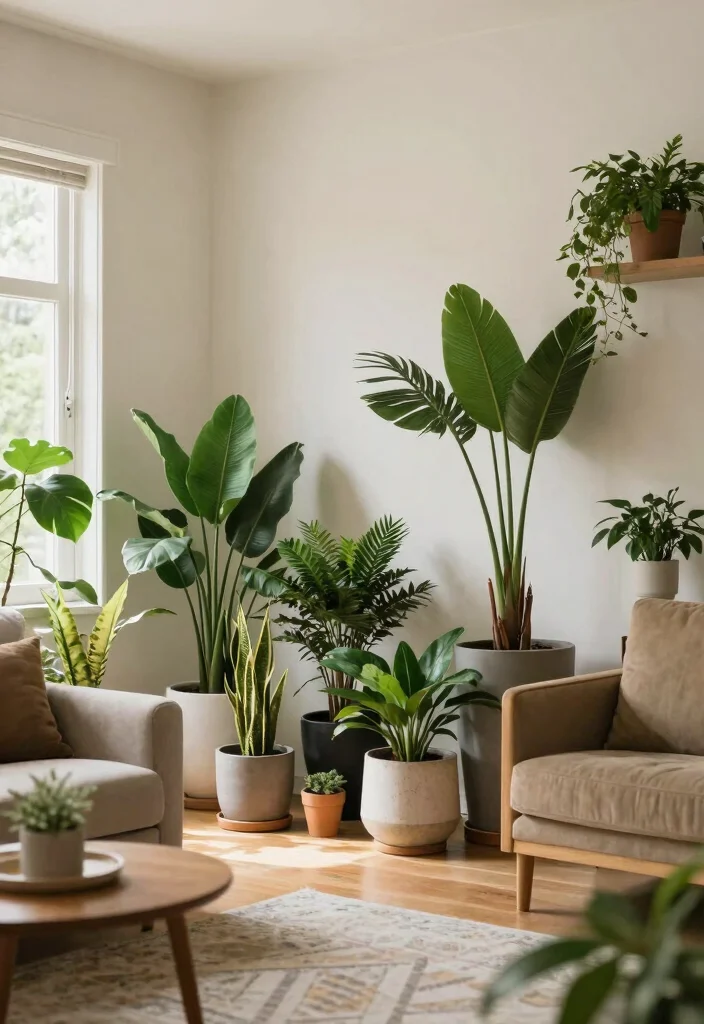
Incorporating plants into your living room is a simple yet impactful way to refresh your space and elevate your decor.
From creating a cozy reading nook to experimenting with colorful pots, the possibilities are endless when it comes to indoor plant styling.
Embrace the greenery that resonates with your personal style, and let your living room become a vibrant, inviting sanctuary that reflects your love for nature.
Note: We aim to provide accurate product links, but some may occasionally expire or become unavailable. If this happens, please search directly on Amazon for the product or a suitable alternative.
This post contains Amazon affiliate links, meaning we may earn a small commission if you purchase through our links, at no extra cost to you.
Frequently Asked Questions
What are the best low-maintenance indoor plants for a minimalist living room with plants ideas?
For a minimalist vibe in your living room with plants ideas, pick low-maintenance varieties that tolerate a simple care schedule. Great options include ZZ plant, snake plant, pothos, and peace lily for a calm, green backdrop. Place them in cohesive planters with a neutral color palette to keep the look clean. Group 2-3 plants at varying heights to create plant styling ideas without crowding. Water only when the top inch of soil is dry, and avoid overwatering to maintain a neat, modern aesthetic.
How can I arrange plants to create a fresh, minimalist living room?
Start with a quiet green focal point and build rhythm with varying heights. Use vertical space with wall shelves or a tall planter to keep surfaces clear and the room airy. Think plant styling ideas that emphasize negative space and a cohesive color palette for home greenery inspiration. Place 2–3 plants near seating for an inviting feel, then add a single statement plant as an anchor. Finish with simple planters in neutral tones to keep the look aligned with modern living room plants.
What common mistakes should I avoid when creating a living room with plants ideas?
Common mistakes include overwatering, crowding too many different planters, and blocking natural light with tall plants. Avoid buying tiny pots that look out of place in a minimalist space; opt for a uniform set of pots in a limited color palette to keep the living room with plants ideas feeling calm. Don’t forget to check plant scale against furniture—large plants can feel imposing, while tiny ones can get lost. Finally, let surfaces breathe; too much greenery can look cluttered instead of fresh.
What lighting considerations matter for modern living room plants and plant styling ideas?
Most indoor plants thrive in bright, indirect light. If your space is north-facing or shaded, choose shade-tolerant varieties or place plants near a sheer curtain to maximize diffuse light. For rooms with limited natural light, supplement with full-spectrum LED grow lights placed on a timer to support growth without disrupting the minimalist vibe. Rotate plants every couple of weeks to ensure even light exposure and a balanced look that fits living room design tips and modern living room plants.
How can I maintain plant health while keeping a clean aesthetic in a minimalist living room?
Create a simple care routine that fits your schedule: dust leaves weekly to keep indoor plants decor looking vibrant, water when the top inch of soil dries, and feed sparingly in the growing season. Rotate plants every few weeks so growth stays even and the look remains balanced, a key part of plant styling ideas. Use a small tray or coaster under each pot to protect surfaces, and stick to a neutral palette to preserve the minimalist vibe and home greenery inspiration.